Satin or gloss varnish for wood: which finish to choose for your project
Two clear finishes, two different results: how to choose based on the setting and the effect you want to achieve
Category: Wood Products
Reading time: 4 min
When the wood is already the colour you want and you only need a clear protective finish, the question becomes simple but not trivial: satin or gloss? It is not just a question of appearance — even though it largely is — but also of the context of use.
What they have in common
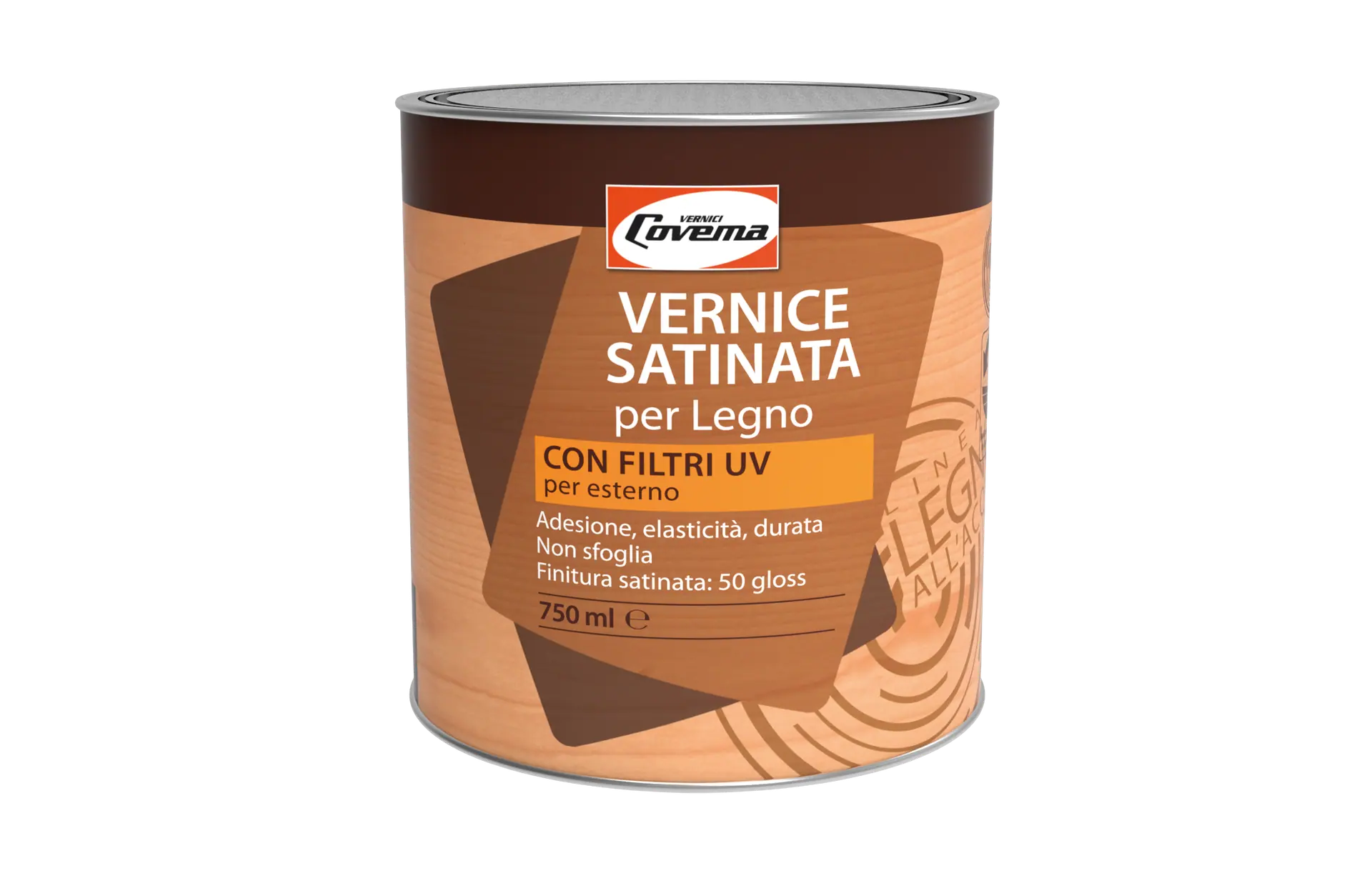
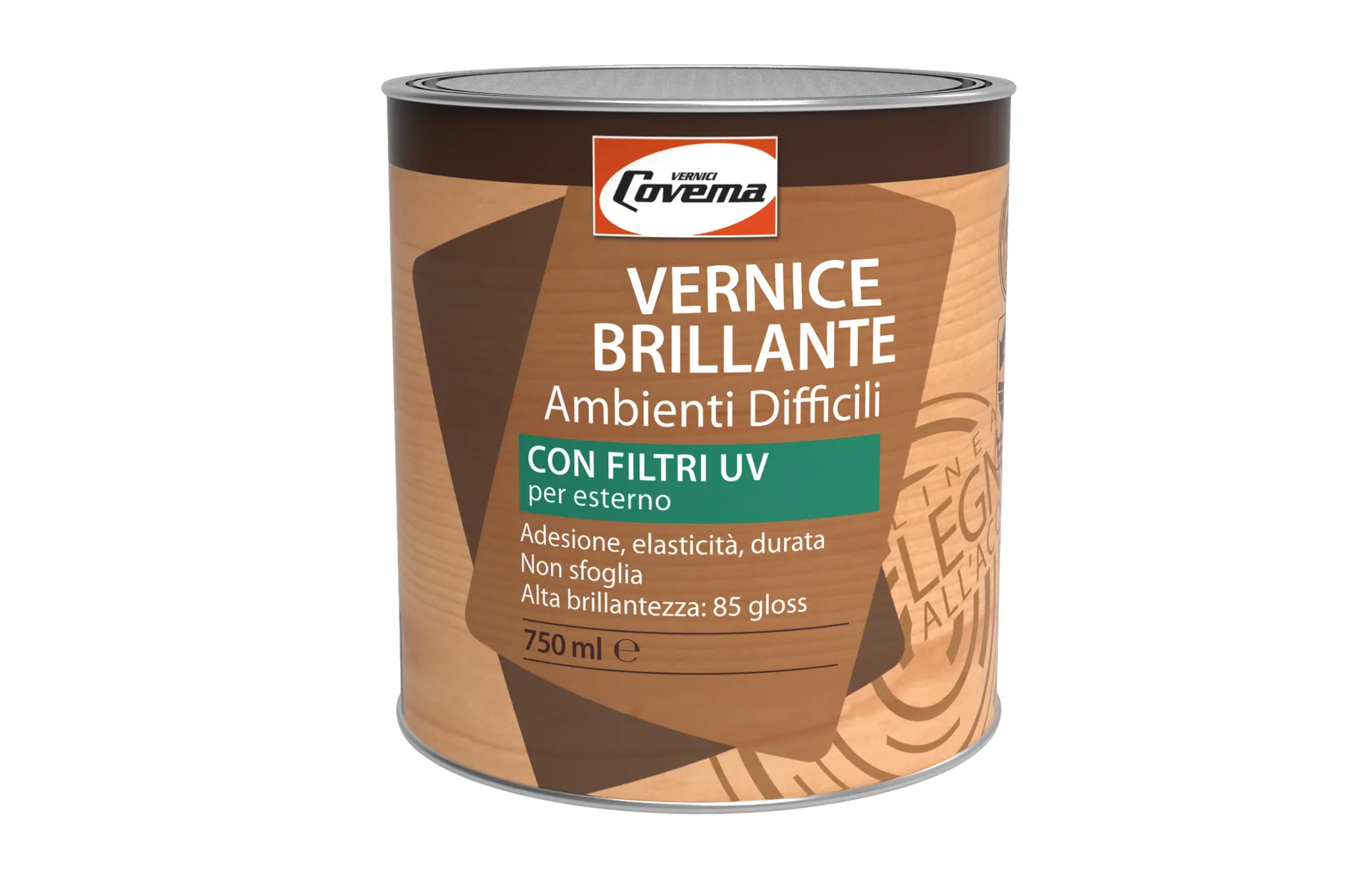
Both Vernice Satinata per Legno (65.676) and Vernice Brillante Ambienti Difficili (65.677) are water-based, non-yellowing, odourless, fast-drying finishing varnishes, formulated with binders based on acrylic and urethane resins in emulsion. Both form a film with good breathability and elasticity, able to follow the dimensional changes of the wood without peeling or cracking.
Both contain UV filters that protect the wood from the action of the sun, and in both cases the formulation does not yellow over time, protecting the underlying wood and enhancing its natural grain.
The difference that matters: the effect, not just the appearance
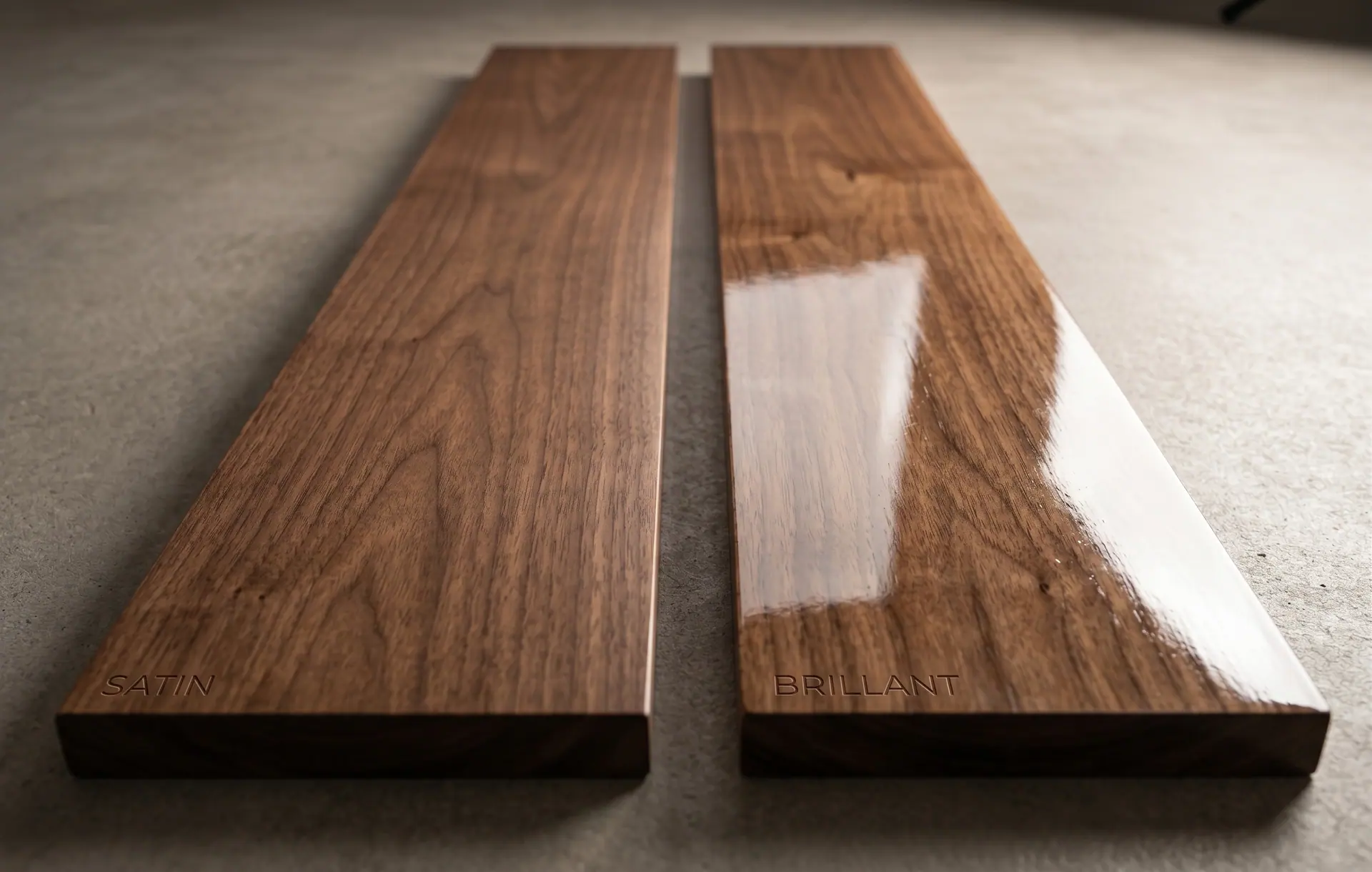
The Satin Varnish gives the wood a natural, less reflective look, which in many settings comes across as more elegant and less conspicuous — it is the most common choice for furniture, floors, wall panelling and surfaces where you want the wood to remain the focus without an excessive glossy effect.
Vernice Brillante Ambienti Difficili, as its name suggests, is designed for more demanding conditions: it forms a full, rich, glossy film that enhances the grain of the substrate, with UV filters designed to protect the wood from the sun even in demanding climates such as the seaside and the mountains.
How to choose based on the project
For interiors, furniture, wall panelling and surfaces where a natural look is the priority: Satin Varnish. For exposed exteriors, marine or mountain environments, and surfaces that require the greatest perceived resistance: Vernice Brillante Ambienti Difficili. If you are not sure, try both finishes on a sample of the same wood, in the same light in which the finished item will be placed.
How they are applied
Both varnishes are diluted from 0 to 5% with water, take about one hour to dry to the touch and six hours through, with a coverage of 10-12 m²/L for the Satin and 10-14 m²/L for the Gloss. The minimum recoating time is six hours for both: under normal conditions, a two-coat project can be completed in a single working day.
In summary
Satin and Gloss offer the same basic protection — breathability, elasticity, UV resistance, no yellowing — but very different visual results. The Satin Varnish (65.676) for a natural, elegant effect, Vernice Brillante Ambienti Difficili (65.677) when the context is more demanding.
Recommended products
Related articles
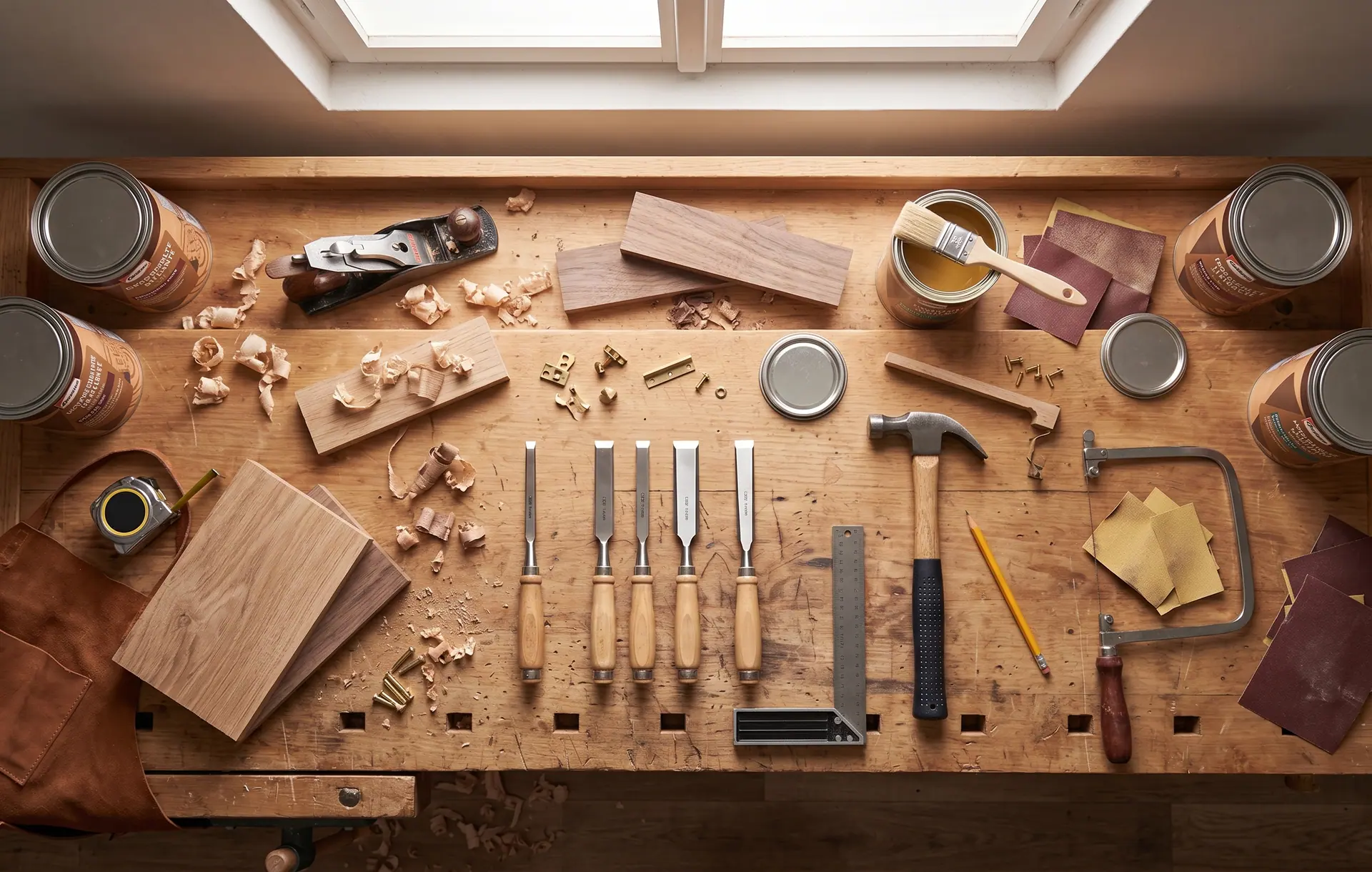 interior wood5 DIY wood projects to make this weekend (and how to protect them)Ideas with Wood – Furniture (DIY)4 minFive simple ideas for anyone who wants to work wood on their own, with the right treatment for each projectREAD
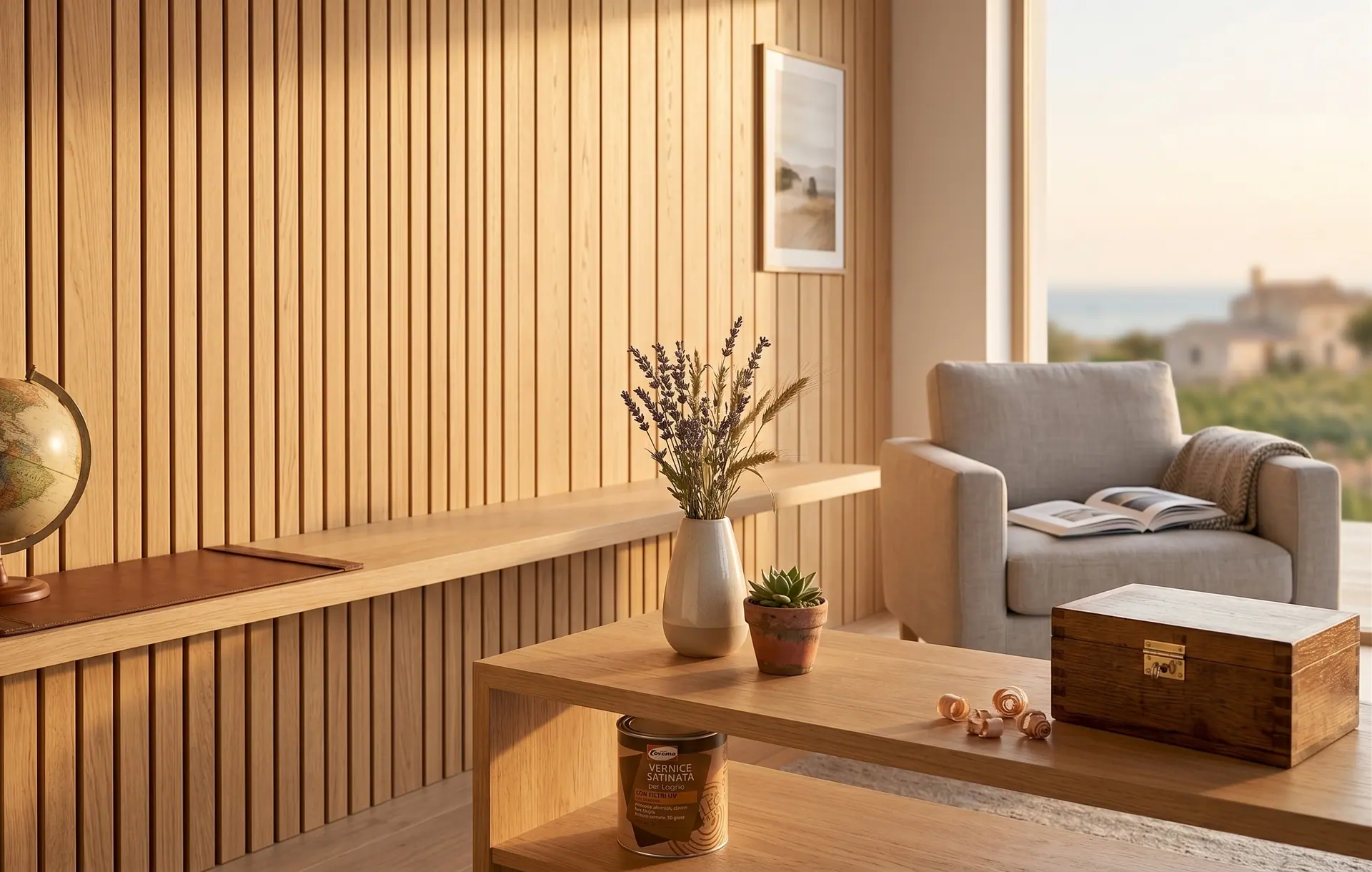 interior woodWooden wall panels and slats: ideas and treatments for modern interiorsIdeas with Wood – Interiors4 minHow to enhance wooden wall cladding with the finish best suited to your styleREAD
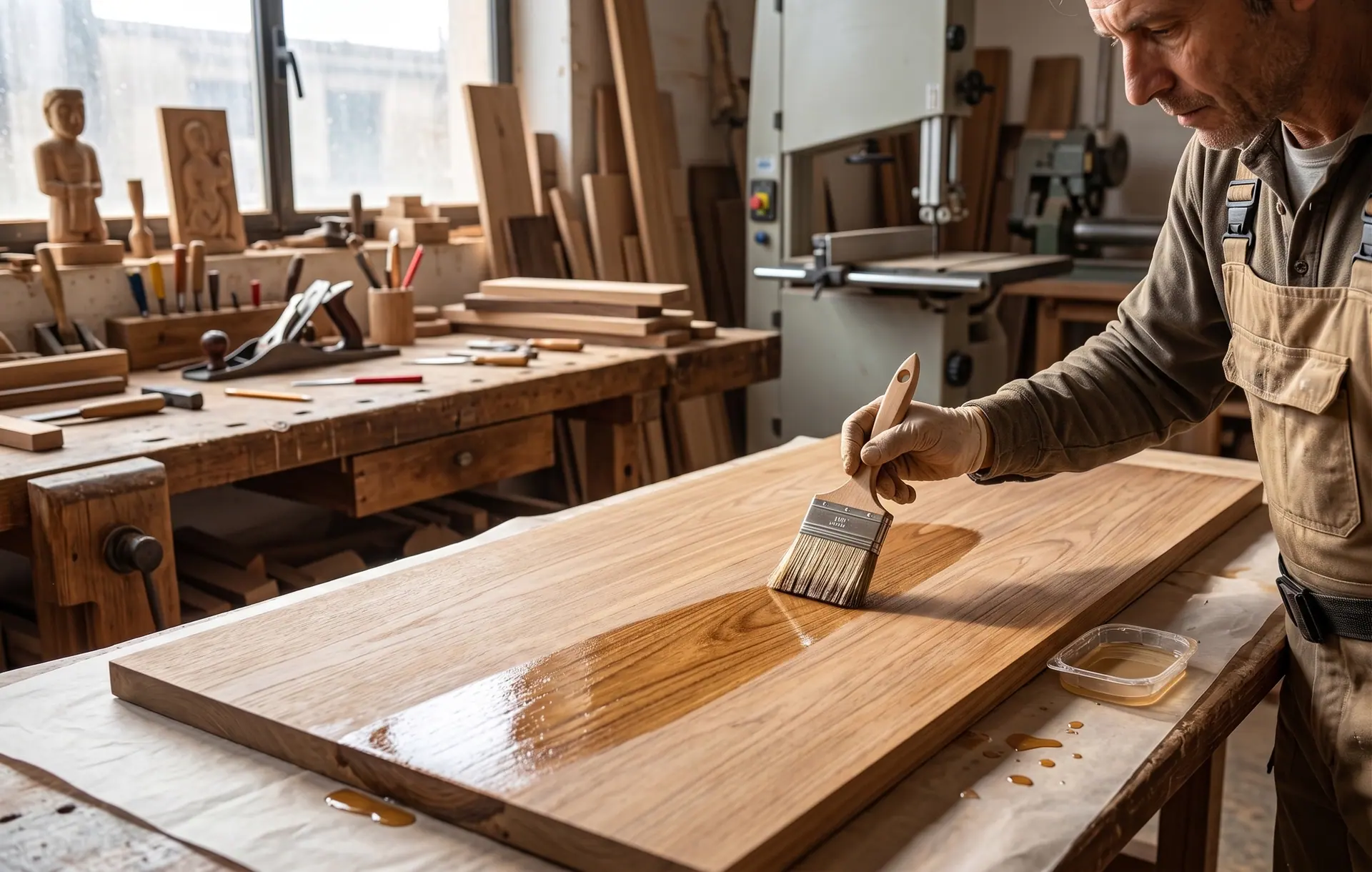 varnishes and finishesHow to prepare wood before painting: the primer that speeds up work on siteApplication Tips4 minA guide for professional applicators on how to cut preparation time without compromising the resultREAD
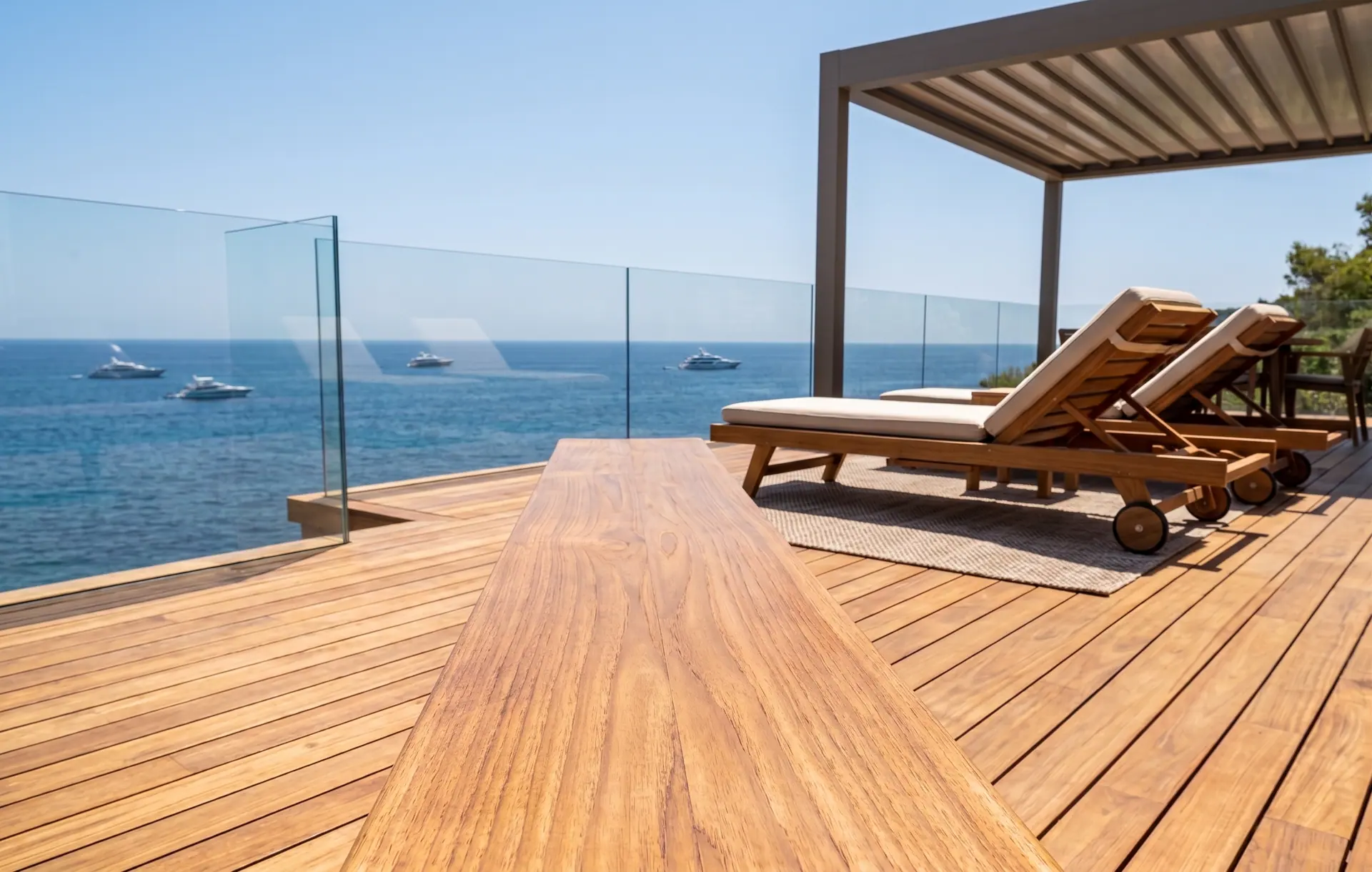 varnishes and finishesWood by the sea: protecting terraces, furniture and boats from salt airIdeas with Wood – Outdoors4 minThe marine climate is among the most aggressive for wood: here is how to tackle it with the right productREAD