Exterior wood paint without sanding: a guide to quick renewal cycles
How to restore colour and protection to outdoor furniture, railings and window frames without hours of sanding
Category: Application Tips
Reading time: 4 min
Do you have a garden table, a railing or a window frame that time has turned grey and dull? Before thinking about sanding it all down — hours of work, dust everywhere, the risk of damaging the wood — there is a quicker way to bring it back to its natural colour. We explain it step by step.
Sun, rain and humidity act on the surface of the wood long before they affect its structure. The greyness you see is almost always a surface phenomenon: UV rays degrade the outermost fibres, while water washes away the natural pigments. The instinctive reaction of anyone faced with a greyed piece of furniture or window frame is to sand everything, thoroughly, down to "bare" wood. It is long, tiring work, and often excessive compared with the actual problem.
Why sanding it all down is (almost) never necessary
Surface degradation does not require removing layers of sound wood. In most cases it is enough to act chemically on the surface, not mechanically. This is where two products designed exactly for this come in: Trattamento Sbiancante and Fondotinta Uniformante.
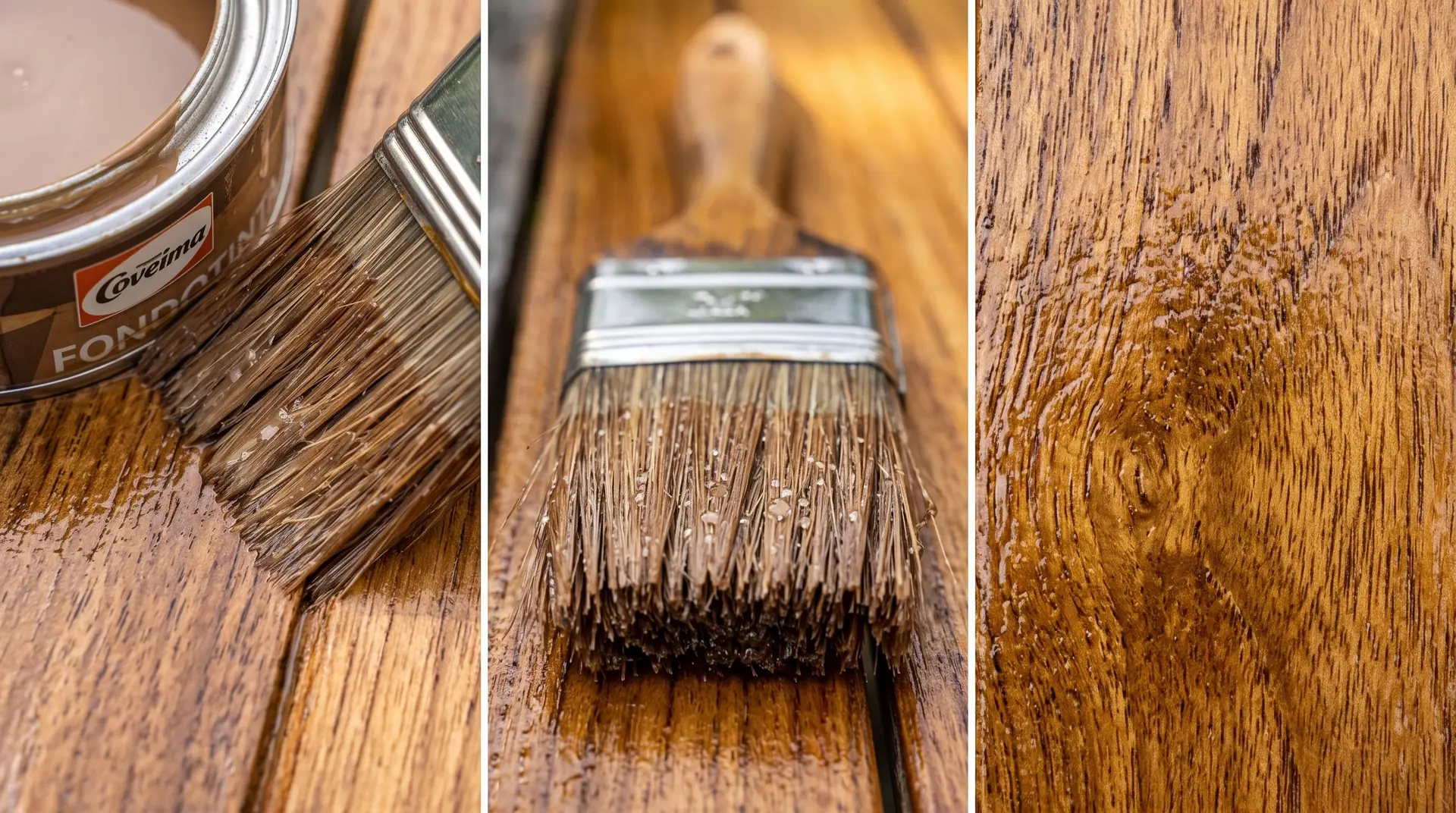
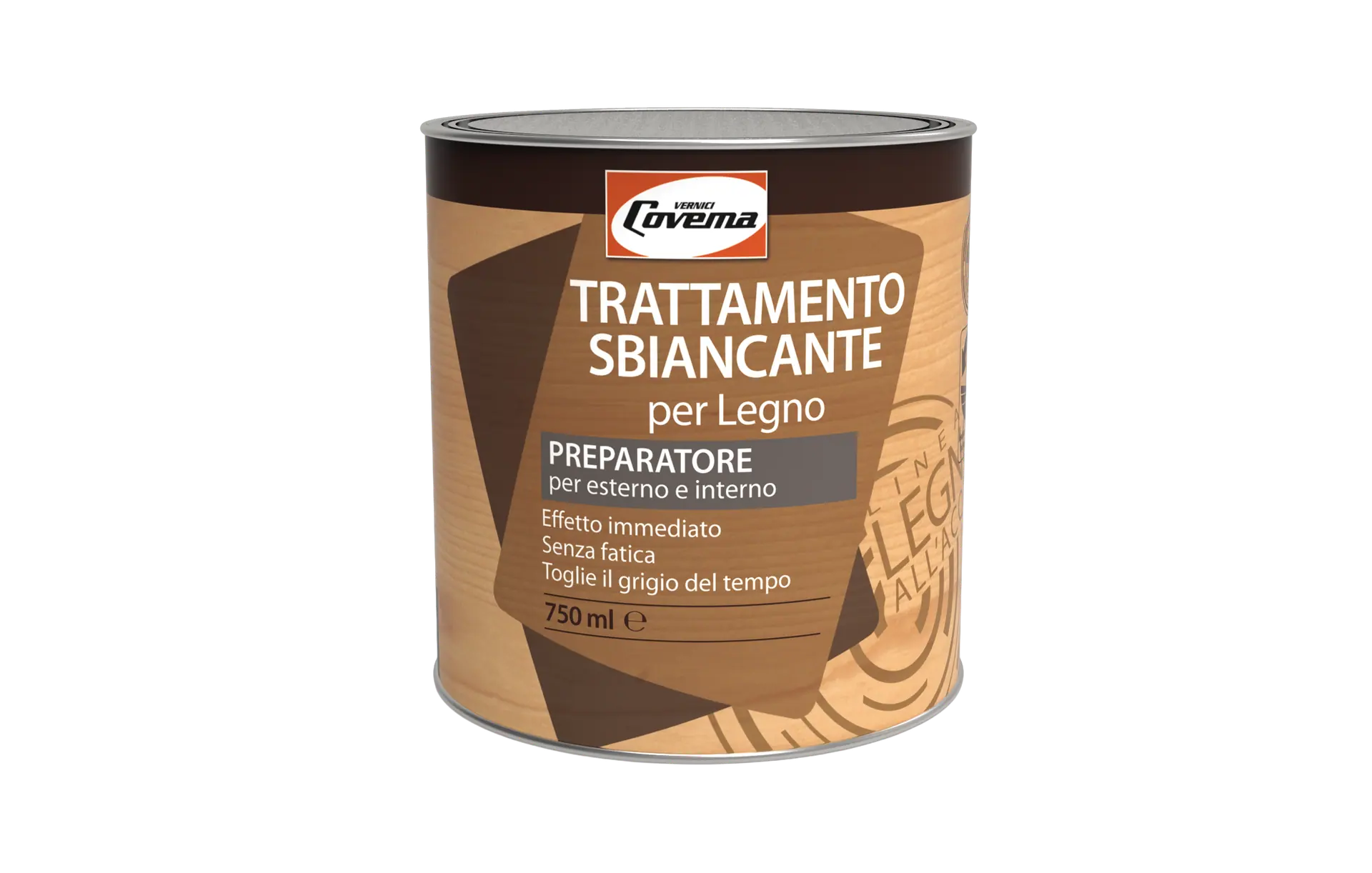
Trattamento Sbiancante (64.641) is a water-based, ready-to-use product that works on contact: apply it by brush, leave it to act for about 10 minutes, then wash off with water. In most cases it restores the natural colour of the wood without the need for deep sanding. It is also useful for removing common stains on garden furniture — rust, coffee, glass rings — that would otherwise require much more invasive work.
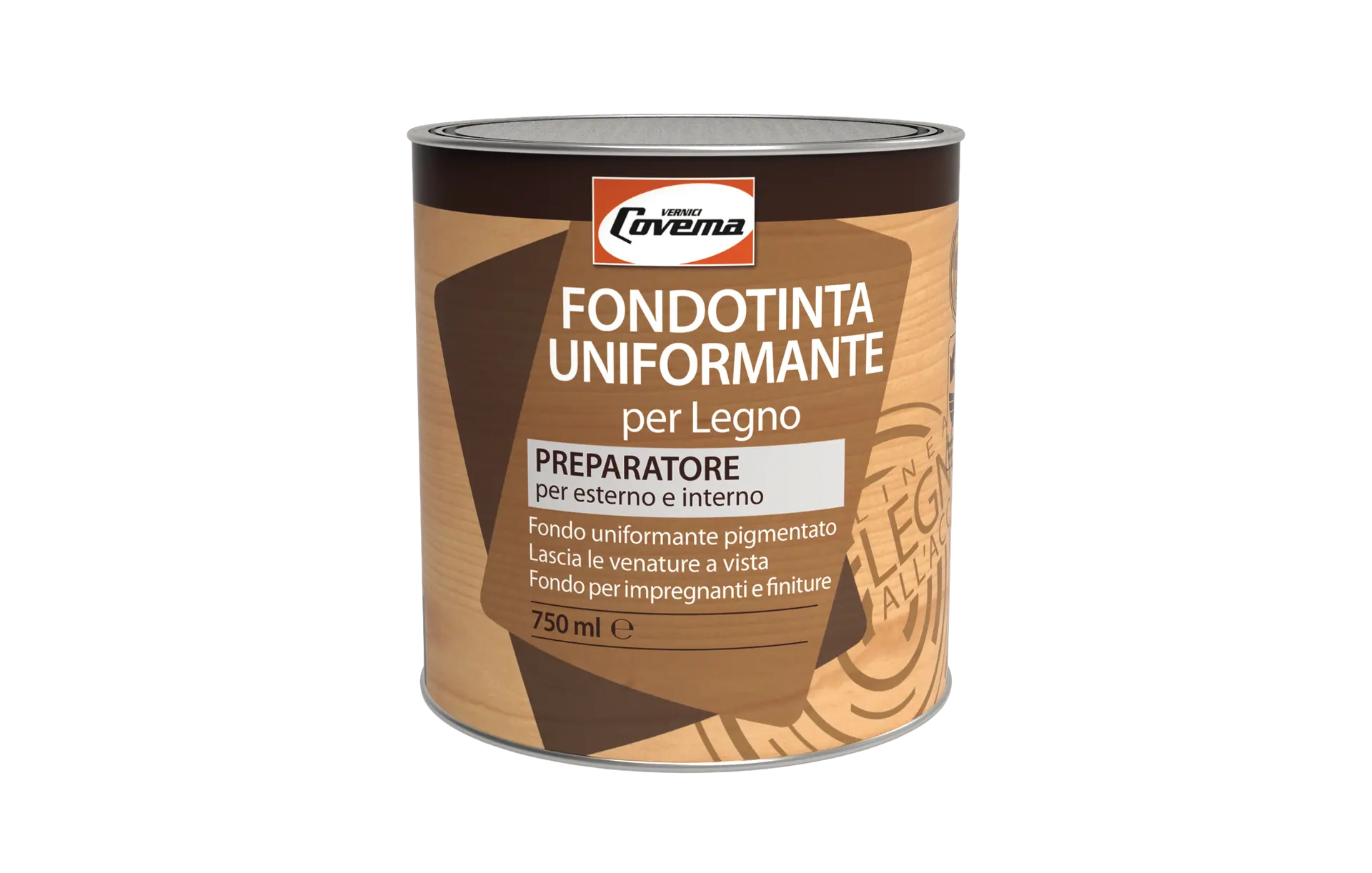
If the wood is not only greyed but also very dark or degraded, or if you want to change the shade without working on the structure, Fondotinta Uniformante (64.642) does a different, complementary job: it is a semi-opaque pigmented primer, available in White and Ochre, that evens out the colour while keeping the natural grain visible. It is designed precisely to shift dark woods towards lighter shades without having to sand the wood back to bare — a huge advantage when time, and not just the weather, is the real obstacle.
The practical guide in 4 steps
- Assess the type of degradation. If the wood is just grey and dull but the surface is still compact, Trattamento Sbiancante alone is often enough. If instead the colour is very dark, uneven or there are markedly different areas, start with Fondotinta Uniformante.
- Clean and apply. Remove dust and surface dirt before starting. Apply the chosen product with a brush, following the coverage guidance (5-6 m²/L for the bleaching treatment) and the application times stated on the label.
- Rinse and leave to dry. For Trattamento Sbiancante a rinse with plenty of water is enough; touch-dry takes about an hour. If necessary, repeat the treatment a second time on the most stubborn areas.
- Finish with protection. Once the colour has been restored, the wood still needs protecting: this is where a finishing impregnating stain comes in, chosen according to the exposure and use of the item.
The most common mistake to avoid
The most frequent risk is skipping the finishing step, thinking that bleaching alone is enough. It is not: "cleaned-up" but unprotected wood will quickly turn grey again, because it remains exposed to the same UV rays and the same humidity that degraded it the first time. The correct cycle is always preparation plus finish, even when the preparation takes a few minutes instead of hours of sanding.
For those who work on site, this approach also means a concrete economic advantage: fewer labour hours per job, more jobs completed in the same week. For those doing it themselves in the garden, it means being able to finish the job in a weekend instead of giving up for lack of time.
In summary
The greyness and surface stains of exterior wood rarely require sanding it all down. Trattamento Sbiancante (64.641) and Fondotinta Uniformante (64.642) take care of the most tiring part of the job quickly and without dust, leaving the natural grain visible and ready for the last step: the protective finish.
Recommended products
Related articles
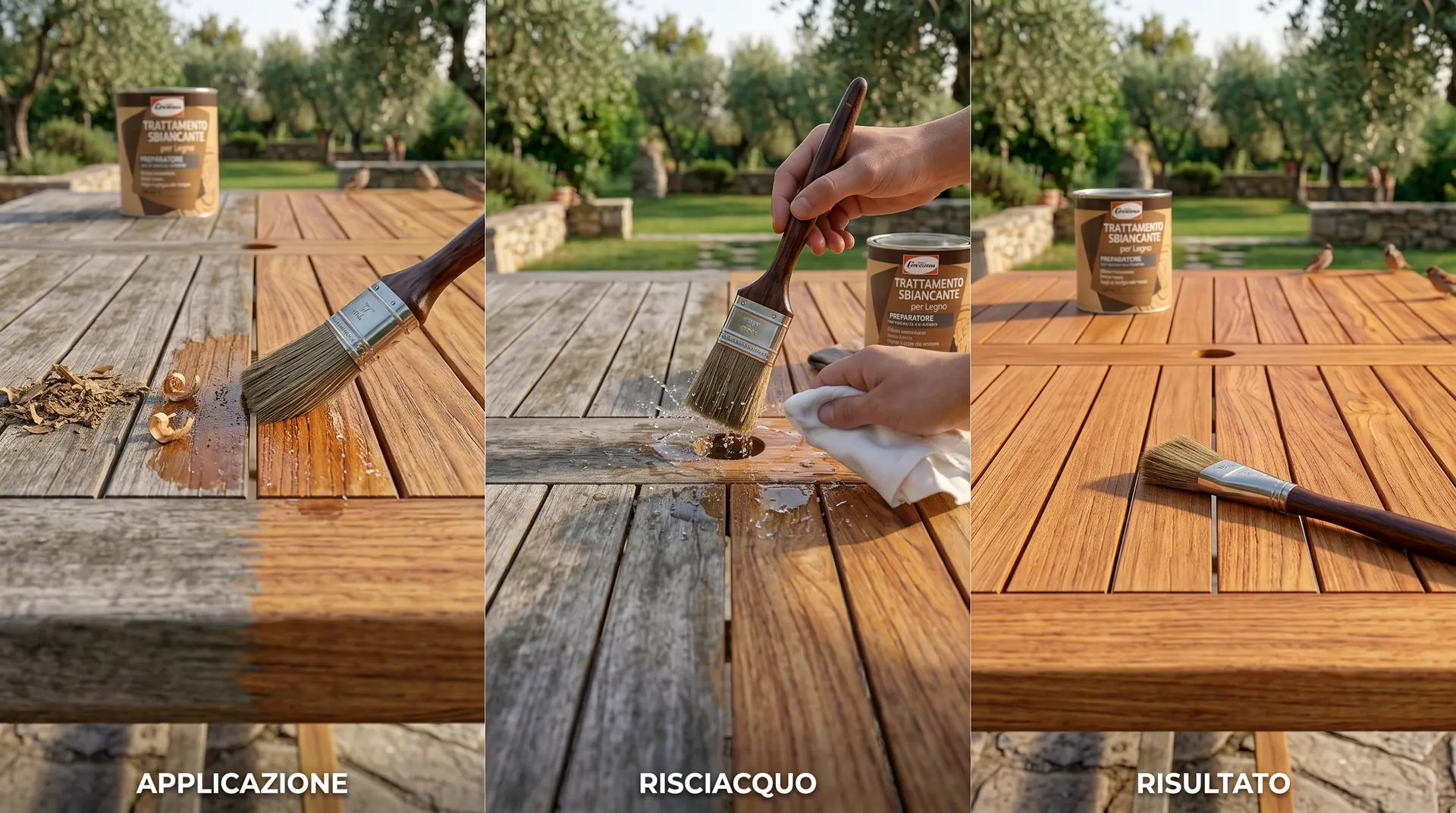 trattamento sbiancanteGreyed or stained wood: how to restore its natural colour without sandingApplication Tips4 minThe quick solution for garden furniture, terraces and outdoor surfaces worn by timeREAD
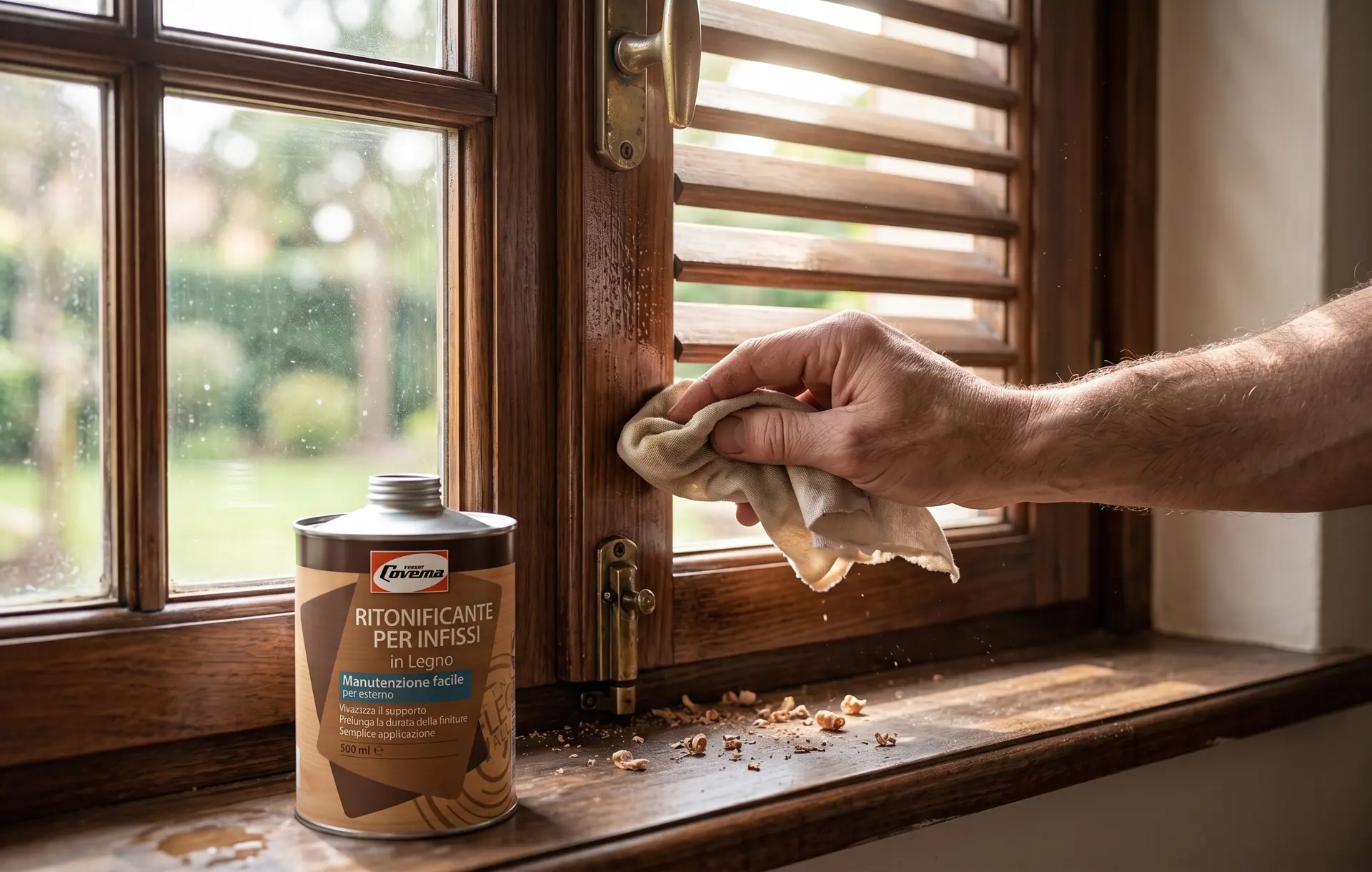 exterior woodAnnual maintenance of wooden window and door frames: the step that extends the life of doors and windowsApplication Tips3 minA small recurring task that prevents much bigger and more costly workREAD
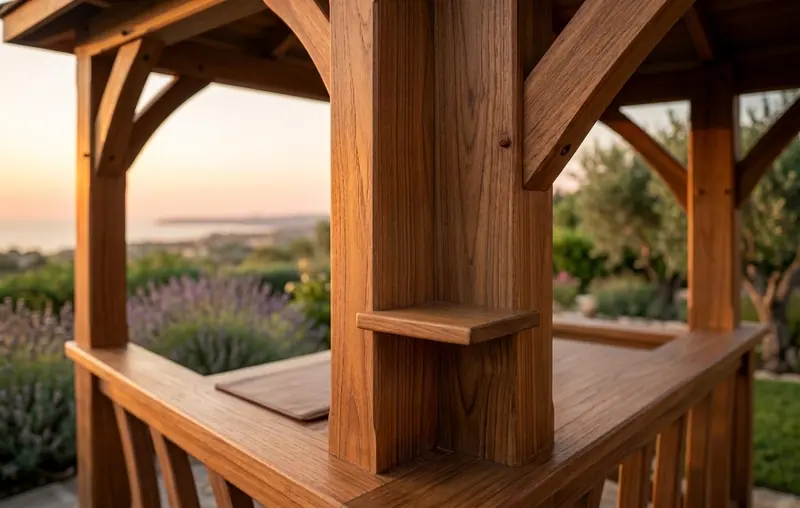 exterior woodWooden garden house or shed: how to choose the right treatments for long-lasting protectionIdeas with Wood – Outdoors3 minFrom small sheds to chalets: a guide to protection cycles for outdoor wooden structuresREAD
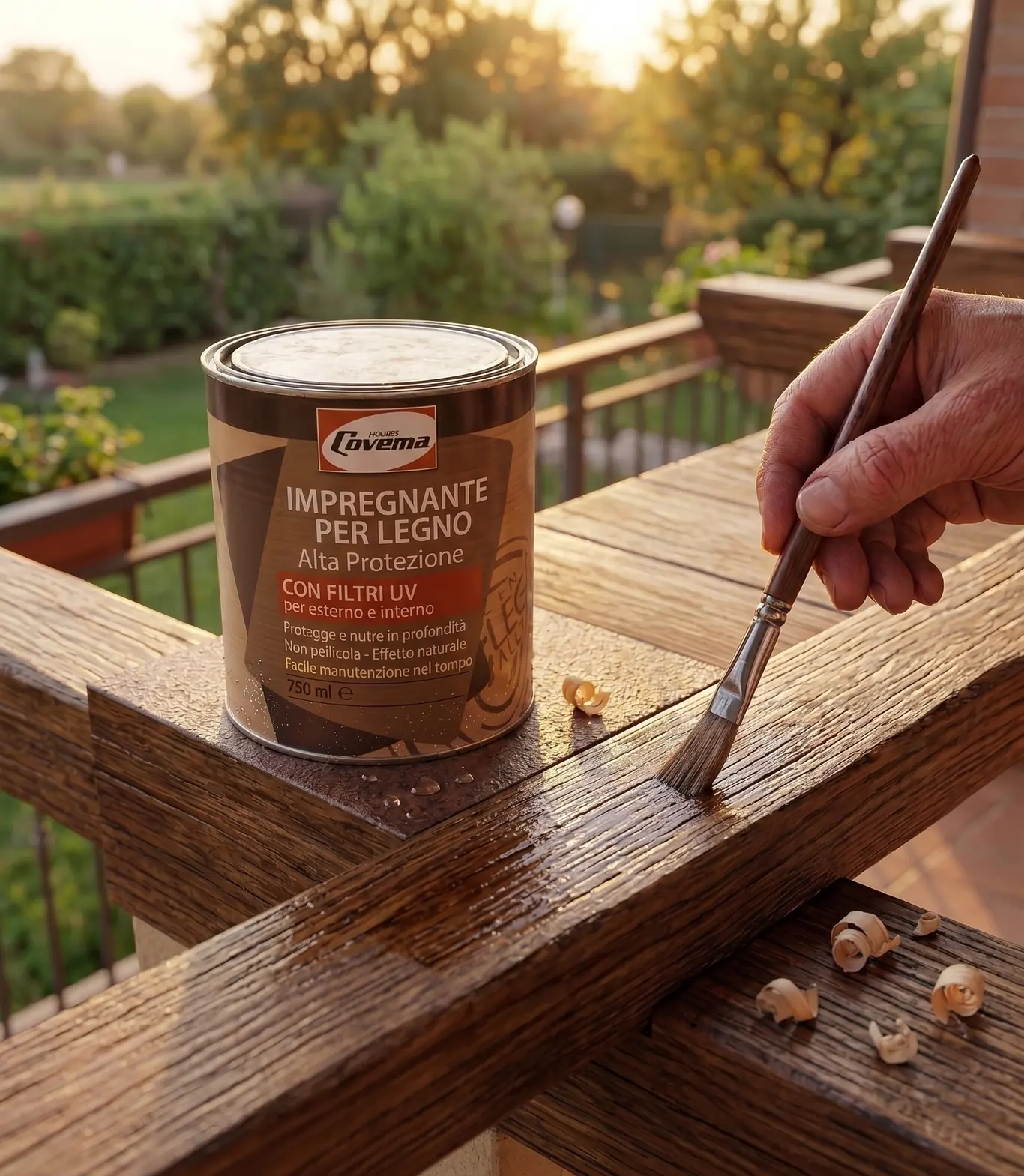 exterior woodHigh Protection impregnating stain: when and how to use it on exterior woodWood Products4 minEverything you need to know about the most requested product in the Covema Linea LegnoREAD